
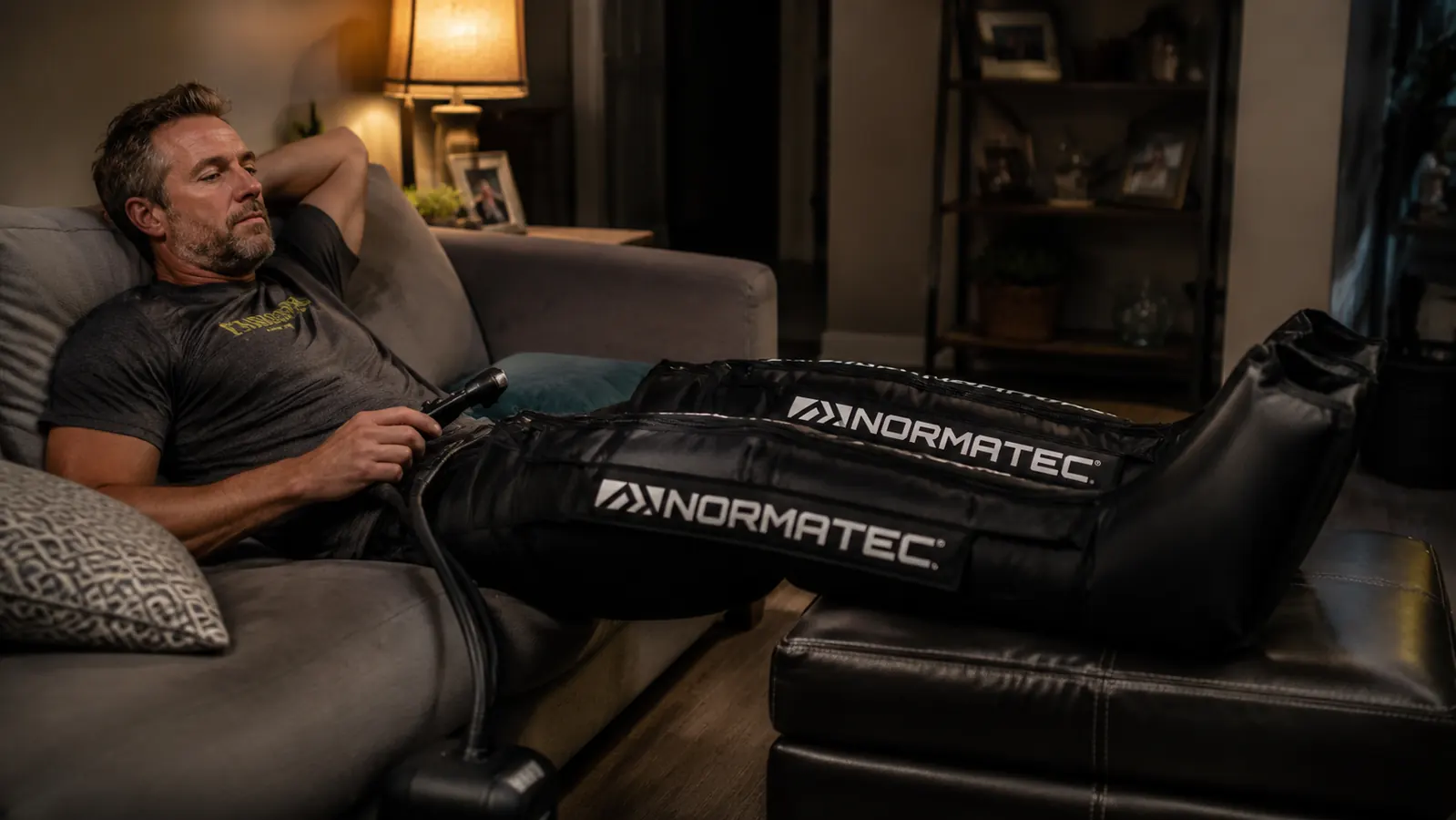
I bought the QUINEAR compression boots back in January after a marathon-training block left my calves feeling like two overfilled water balloons every single night. I'd tried everything cheaper first, compression socks, elevating my legs on the wall, even icing them in the bathtub, and none of it touched the heaviness that showed up around mile 14 of my long runs. Six months later, these boots live folded in a bag by my couch, and I've used them more nights than not since the day they arrived.
This isn't a first-week impressions piece. I've run these through a full marathon build, a summer strength block where I was squatting heavy twice a week, and more than a few nights where my legs were just wrecked from standing all day at my job. I'm 44, I run four to five days a week and lift the other two or three, and by the time I'm home most evenings my legs have earned a real say in how the night goes. These boots have been part of that conversation almost every day since January.
The Quick Verdict
A genuinely well-built sequential compression system that's held up to near-daily use for six months. Loses half a point for the price tag and a controller that occasionally needs a restart.
Amazon Check Today's Price →Legs still heavy hours after your run ends? Here's what actually changed that for me.
I was skeptical anything short of a sports medicine clinic could touch the heaviness I'd get after long runs. Six months in, these boots are still my nightly routine. Check today's price and see if they're in stock.
Amazon Check Today's Price on Amazon →How I've Actually Used It
My routine settled fast and hasn't changed much since February. Post-run or post-leg-day, I zip into the boots, sit on the couch, and run a 30-minute session while I catch up on email or watch whatever my wife has queued up. On heavier weeks, I'll do a second short session before bed, usually 15 to 20 minutes on a lower pressure setting, just to take the edge off before I lie down.
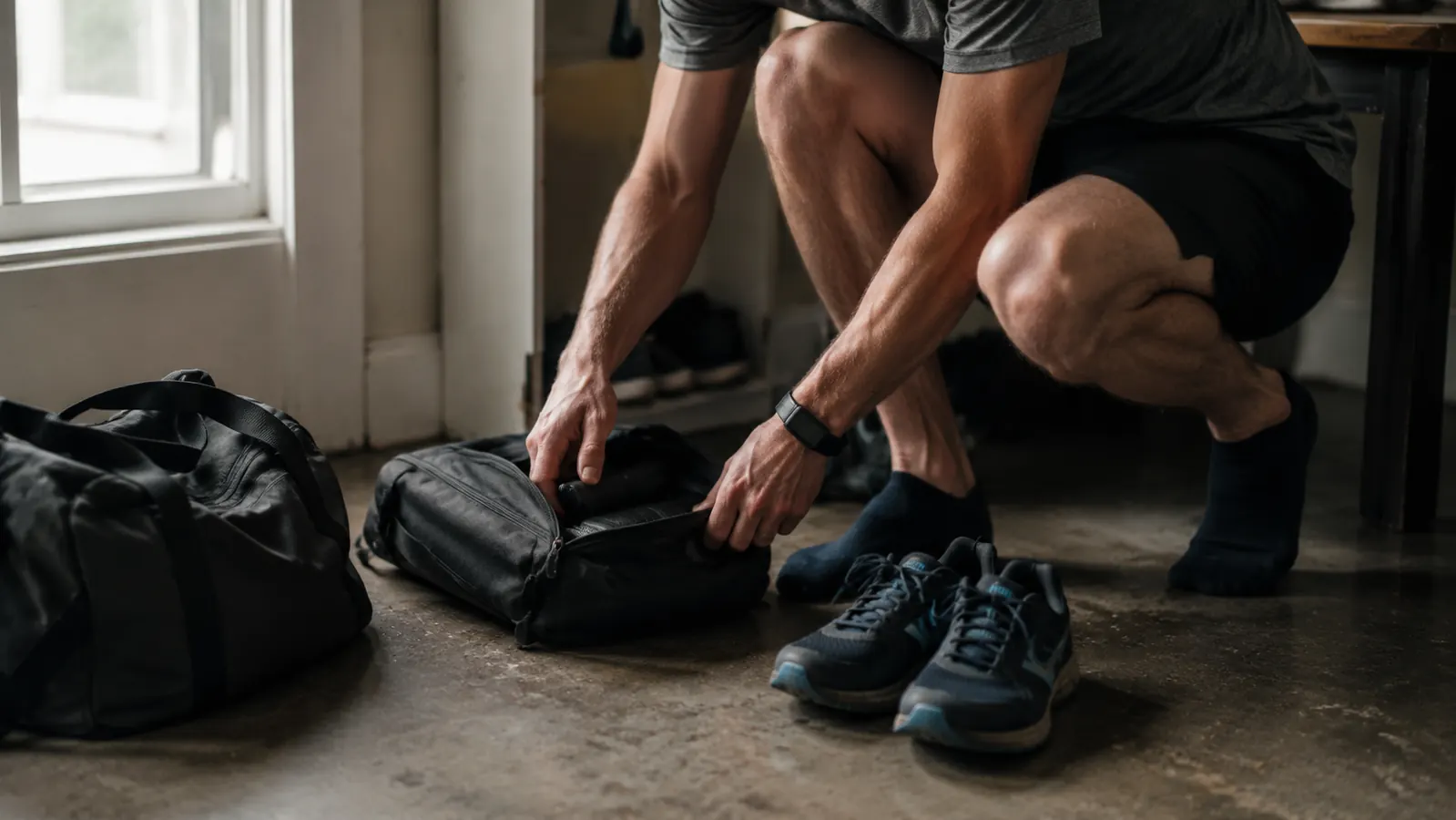
That's roughly five to six sessions a week since late January, sometimes more during marathon taper and peak weeks. I didn't treat it gently. The boots have been stuffed into a gym bag for a work trip, used on a hardwood floor with the hose occasionally kinking under my foot, and left half-inflated more than once because I fell asleep mid-session. I wanted to know if this thing would survive real use, not a living room demo, because that's the only test that matters once you're past the return window.
It has, mostly. No seam tears, no air leaks I can detect, and the zippers still run smooth on both boots. The controller unit is the one piece that's shown its age, which I'll get into further down.
Pressure Zones and Sequential Compression
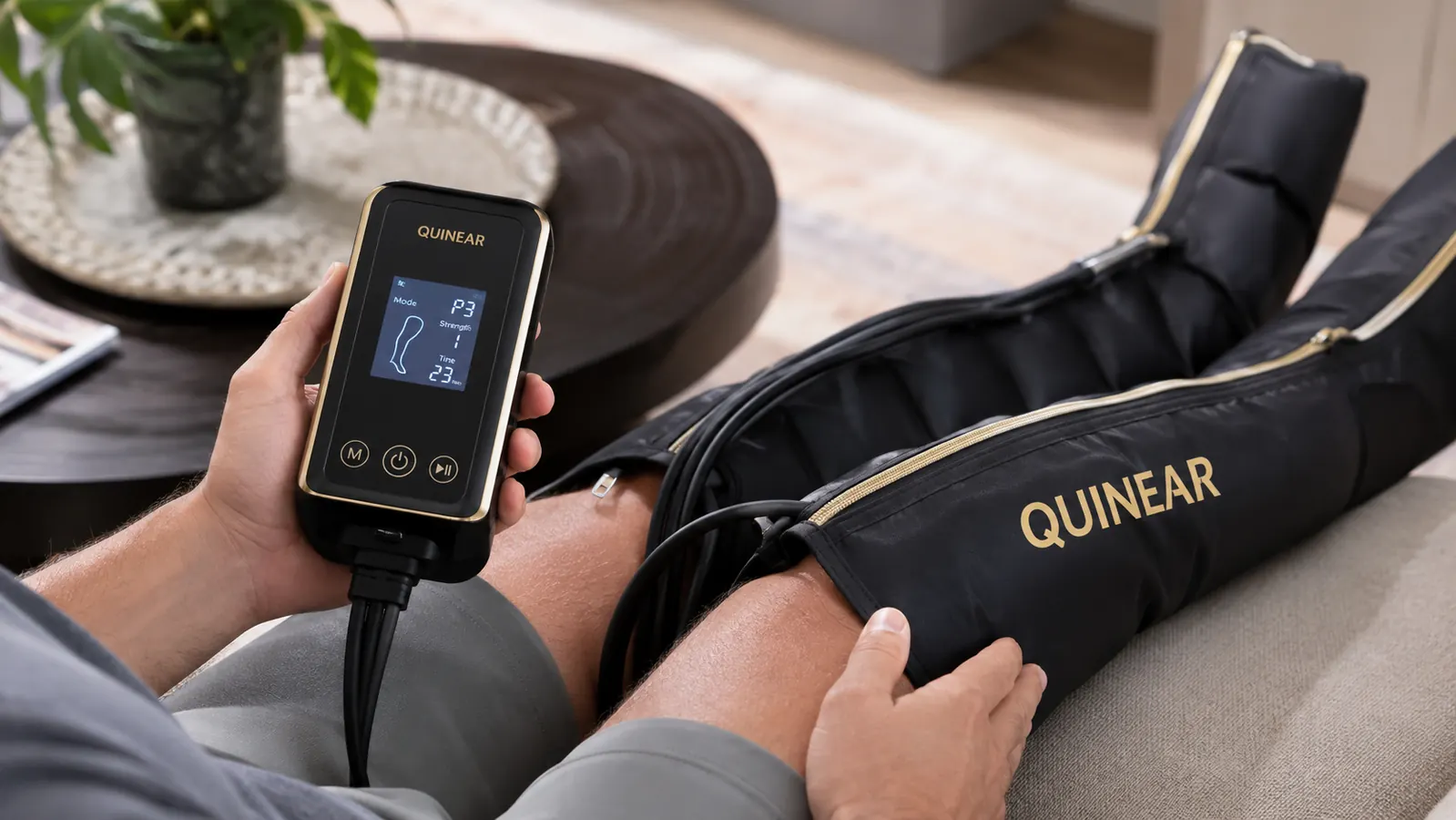
The QUINEAR system uses sequential compression across multiple zones, foot, calf, and thigh, inflating in a wave pattern from bottom to top rather than squeezing the whole leg at once. That distinction actually matters. My first cheap compression sleeve just clamped down evenly and felt more like a blood pressure cuff gone wrong. This one builds pressure zone by zone, holds briefly, then releases and starts again, which feels a lot closer to what I'd imagine a manual lymphatic drainage massage feels like, minus the therapist bill.
I run mine at level 4 out of 6 most nights, which is firm enough to notice working without feeling like my legs are in a vice. After a genuinely brutal long run, I'll bump it to level 5. I tried level 6 exactly twice and it's more intensity than I need for recovery, it starts to feel like effort rather than rest, though I know some bigger guys in my running group who prefer maxing it out.
Compared to just elevating my legs against the wall, which was my go-to before this, the difference in how fast the heavy, waterlogged feeling clears out is noticeable, usually within the first ten minutes of a session. I'm not going to claim it's replaced proper hydration or electrolytes on hot training days, because it hasn't, but paired with those basics it's cut down how long my legs feel trashed the morning after a hard effort.
Noise and Comfort, Six Months In
This was a real concern before I bought it, because I figured anything that inflates around your whole leg would sound like a blood pressure machine going off every 30 seconds. In practice it's a low mechanical hum during the inflate cycle and near silent during the hold and release, quiet enough that I can be on a phone call without the other person asking what that noise is. It's not silent, but it's background noise, not a distraction.
Comfort held up better than I expected too. The boots are roomy enough over athletic shorts or leggings, the internal panels haven't gotten crusty or started peeling after six months of near-daily sweat exposure, and the zippers still glide without catching fabric the way a cheaper zipper would by now. Six months of near-nightly use hasn't changed the fit at all, which tells me the seams and internal air bladders are holding up fine under real cycling, not just occasional weekend use.
The Controller Unit and App
The handheld controller lets you set pressure level, session time, and which zones get emphasized, and for the first four months it worked exactly as expected every single time. Around month five, it started occasionally freezing mid-session, requiring a quick power cycle to get going again. It's happened maybe four or five times total, never mid-inflation in a way that felt uncomfortable, just an annoying restart-and-wait moment.
I reached out to support about it and got a response within a day walking me through a firmware reset, which fixed it for about six weeks before it happened once more. It's not a dealbreaker for me, but if you're someone who gets irrationally annoyed by tech hiccups, it's worth knowing this isn't flawless. The core compression function has never failed, it's specifically the display freezing that's been the occasional gremlin.
Sleep Quality: The Change I Didn't Expect
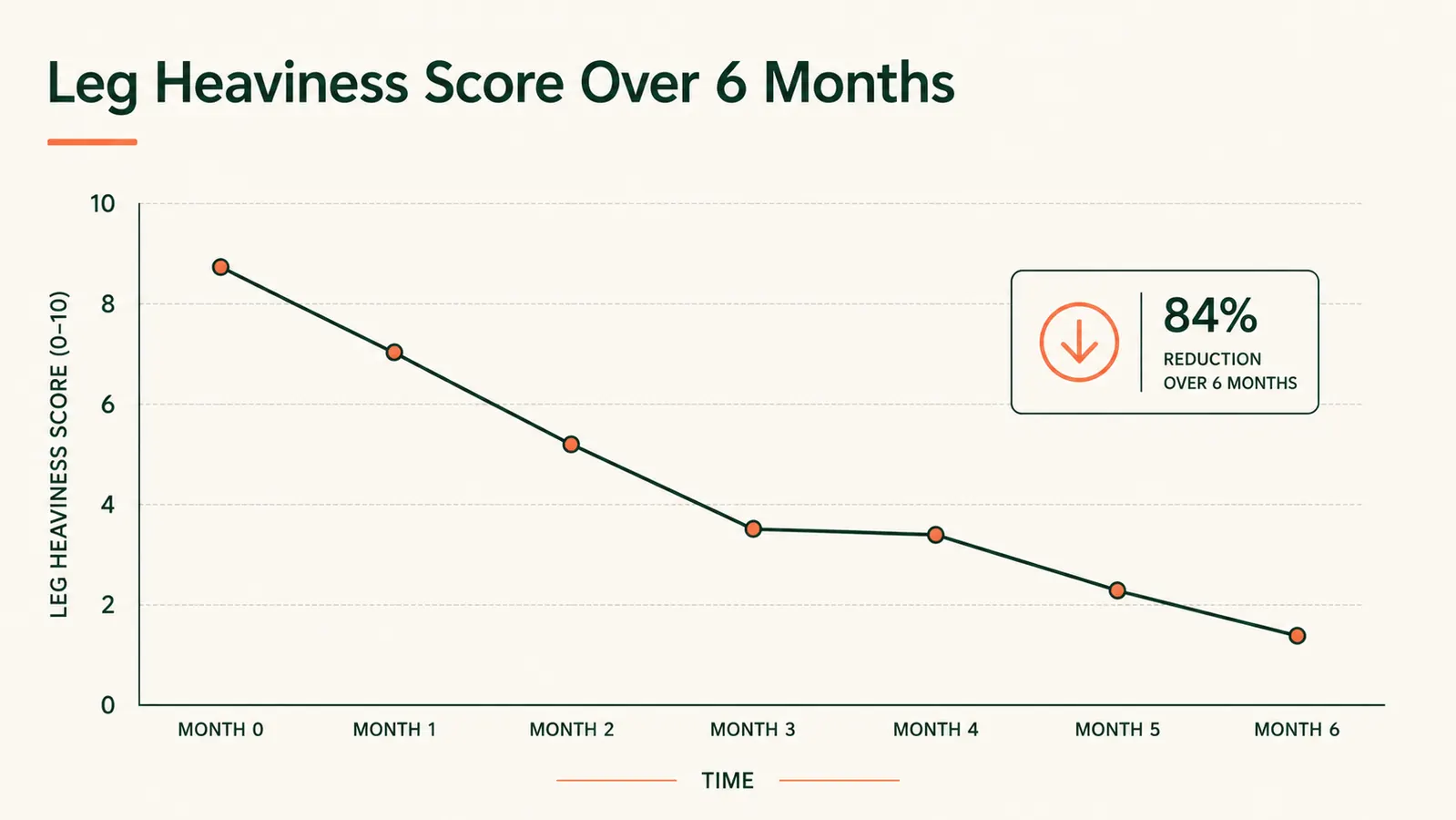
I bought these for leg soreness, not sleep, but the sleep improvement is honestly the thing I'd tell a friend about first. On nights I run a session before bed, I fall asleep faster and I'm not waking up to shift my legs around the way I used to when they felt restless and heavy. I started tracking this loosely with my watch's sleep score around month two once I noticed the pattern, and my average sleep score on compression-boot nights sits a solid few points higher than on nights I skip it.
I can't tell you the exact physiological reason with certainty, I'm not a doctor, but my working theory is that clearing some of that fluid pooling before bed just makes it easier for my body to settle. Whatever the mechanism, it's become as much a wind-down ritual as a recovery tool at this point, and it's the reason I keep reaching for it even on weeks I'm not training that hard.
Performance Over Time: Month 1 vs Month 6
Month one felt like a novelty, honestly. I ran full 45-minute sessions almost every night just because I could, cranking through zones and settings to figure out what did what. By month three the routine had settled into something more purposeful, shorter targeted sessions after specific hard efforts instead of a nightly ritual regardless of training load. That's also around when I started noticing the sleep pattern I mentioned above.
By month six, it's less exciting and more like a tool I reach for the way I reach for my foam roller or my running shoes, automatic and without much thought. The compression strength still feels as strong today as it did in January at every level I use, the boots show zero structural wear beyond a couple of minor scuffs on the outer fabric from being tossed in a bag, and the controller freezing issue is the only real blemish on an otherwise solid track record. For a premium-priced piece of recovery equipment used this often, that's a result I'm comfortable standing behind.
Alternatives I Considered Before Buying
Before landing on the QUINEAR, I looked hard at a couple of budget compression sleeve options and seriously considered booking recurring sessions at a local cryotherapy and compression studio instead. The budget sleeves used simple full-leg inflation rather than sequential zones, and after reading enough reviews describing weak motors and leaking seams within a few months, I passed. The studio route would have cost me more than the boots within about four months of twice-weekly visits, and I'd have been stuck driving there instead of doing a session on my own couch.
The QUINEAR landed as the middle ground that made sense for someone training as often as I do, a real sequential compression system I could use on my own schedule without an ongoing bill. Six months in, I think that bet paid off. It hasn't given me any reason to regret skipping the studio membership, and it's outlasted the durability concerns I had about the cheaper sleeves.
Who This Is For
If you're a runner or lifter in your 30s, 40s, or 50s dealing with heavy, tight legs after long training sessions and you can justify the upfront cost, this earns its spot fast. It's also a strong fit for anyone on their feet all day at work who comes home with swollen ankles or calves, since the sequential compression targets exactly that kind of fluid buildup. My wife has started borrowing them after her longer hikes, which tells me it's useful well beyond marathon training specifically.
What I Liked
- Held up to near-daily use for six months with no leaks or seam failures
- Sequential zone compression feels noticeably more effective than flat-pressure sleeves
- Quiet enough to use during a phone call or while watching TV
- Unexpected but real improvement in sleep quality on nights I use it
- Comfortable fit that hasn't degraded with heavy sweat exposure
Where It Falls Short
- Controller has frozen and needed a restart roughly five times since month five
- Price point is a real barrier compared to compression sleeves or socks
- Setup takes a couple extra minutes compared to just pulling on a sleeve
- Level 6 pressure is more intense than most people will actually want
I bought these for sore legs. Six months later, the sleep improvement is the reason I keep using them.
Who This Is For
Everyday runners, lifters, and anyone on their feet most of the day who deals with recurring leg heaviness or swelling and wants a real recovery tool they can use at home on their own schedule. If you're training for a race, grinding through a heavy squat block, or just standing all shift at work, this earns its place in your evening routine quickly. It's also a smart pick if you've been paying for recurring compression or cryo sessions and want to bring that same benefit home instead.
Who Should Skip It
If you're only dealing with occasional, mild soreness a couple times a month, the price is hard to justify next to a budget pair of compression socks that will cover most of what you need. And if you have any circulatory condition or you're pregnant, talk to a doctor before using any sequential compression device, this isn't something to self-prescribe around a real medical concern. For most everyday athletes without those factors, the cost is the real tradeoff to weigh, and it's one I'd make again given how often mine actually gets used. If a controller hiccup once every few weeks would genuinely ruin the experience for you, that's worth factoring in too, since it's the one wrinkle in an otherwise dependable six months.
Six months, still folded by my couch, still part of my nightly routine.
I don't recommend gear I've stopped using. This one's still on almost every night. See today's price on Amazon before it changes.
Amazon Check Today's Price on Amazon →