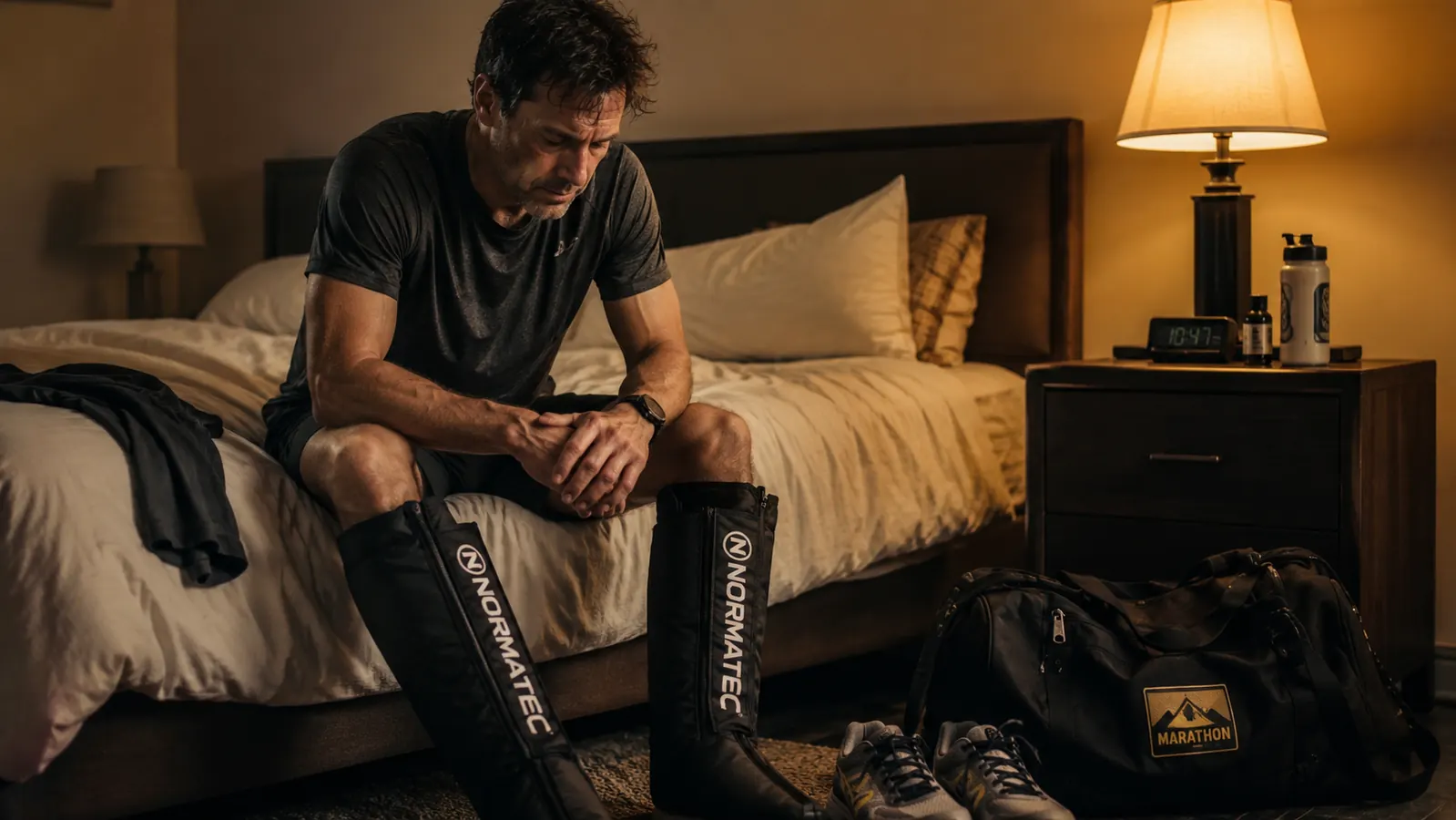
Eleven weeks out from my first marathon, I sat down on the edge of my bed and couldn't figure out how to get back up without using the nightstand for leverage. I'm Rodney, I'm 44, and up to that point I'd run three half marathons without much drama. The full distance was a different animal. My training plan had me stacking a long run on Saturday with a recovery run on Sunday and a tempo run on Tuesday, and by week three my legs stopped bouncing back between sessions.
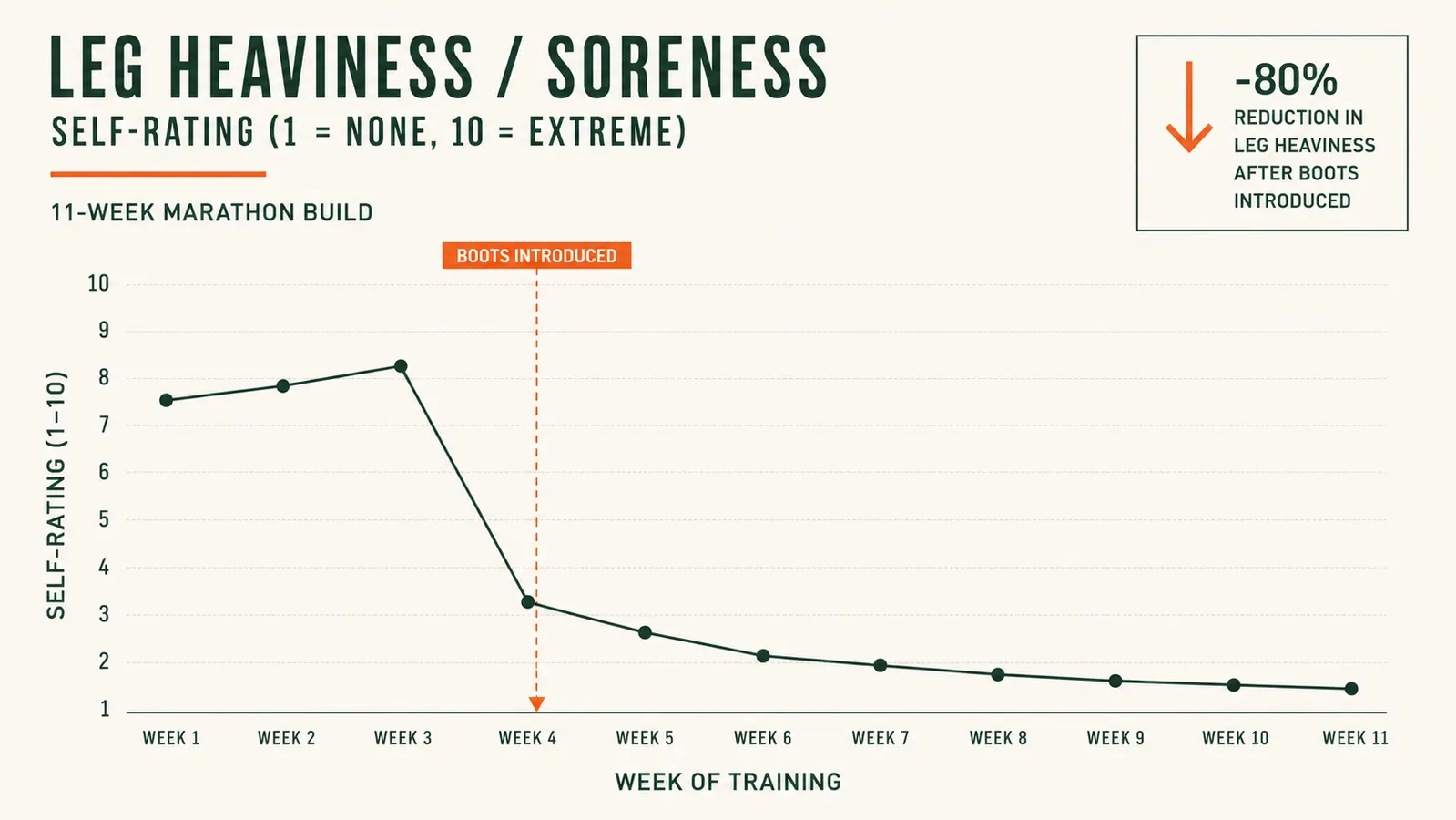
It wasn't soreness in the usual sense. Soreness I know how to handle, ice it, stretch it, sleep it off. This was heaviness. My calves and quads felt waterlogged by Wednesday, like I was running through wet sand even on flat pavement. I'd wake up at 2 or 3 a.m. with a dull ache running from my ankles up to my knees, not painful enough to call it an injury, just enough to keep me from staying asleep.
My wife noticed before I said anything. She pointed out I'd started limping slightly on the walk from the car to the front door, something I hadn't even clocked myself. That was the moment it stopped being a training inconvenience and started being a real problem I needed to solve before it turned into a stress fracture or a torn something.
I'd already been through the usual toolkit. Foam roller most nights. A percussion massage gun on my quads and IT band. Epsom salt baths that mostly just made the bathroom smell like a spa and did nothing for the heaviness. I even tried compression socks during the day, which helped a little on paper but not enough that I noticed a real difference in how my legs felt at 6 a.m.
A guy in my run club, Marcus, mentioned he used compression boots after his long runs. I'd seen the boots before, mostly on Instagram posts from guys who looked like they'd never missed a training block in their lives, and I'd written them off as expensive recovery theater. But Marcus isn't the type to buy gimmicks. He's a spreadsheet guy. If he was running the numbers on this, I figured I owed it to my legs to look closer.
I wasn't chasing a PR anymore. I was just trying to make it to the start line without limping.
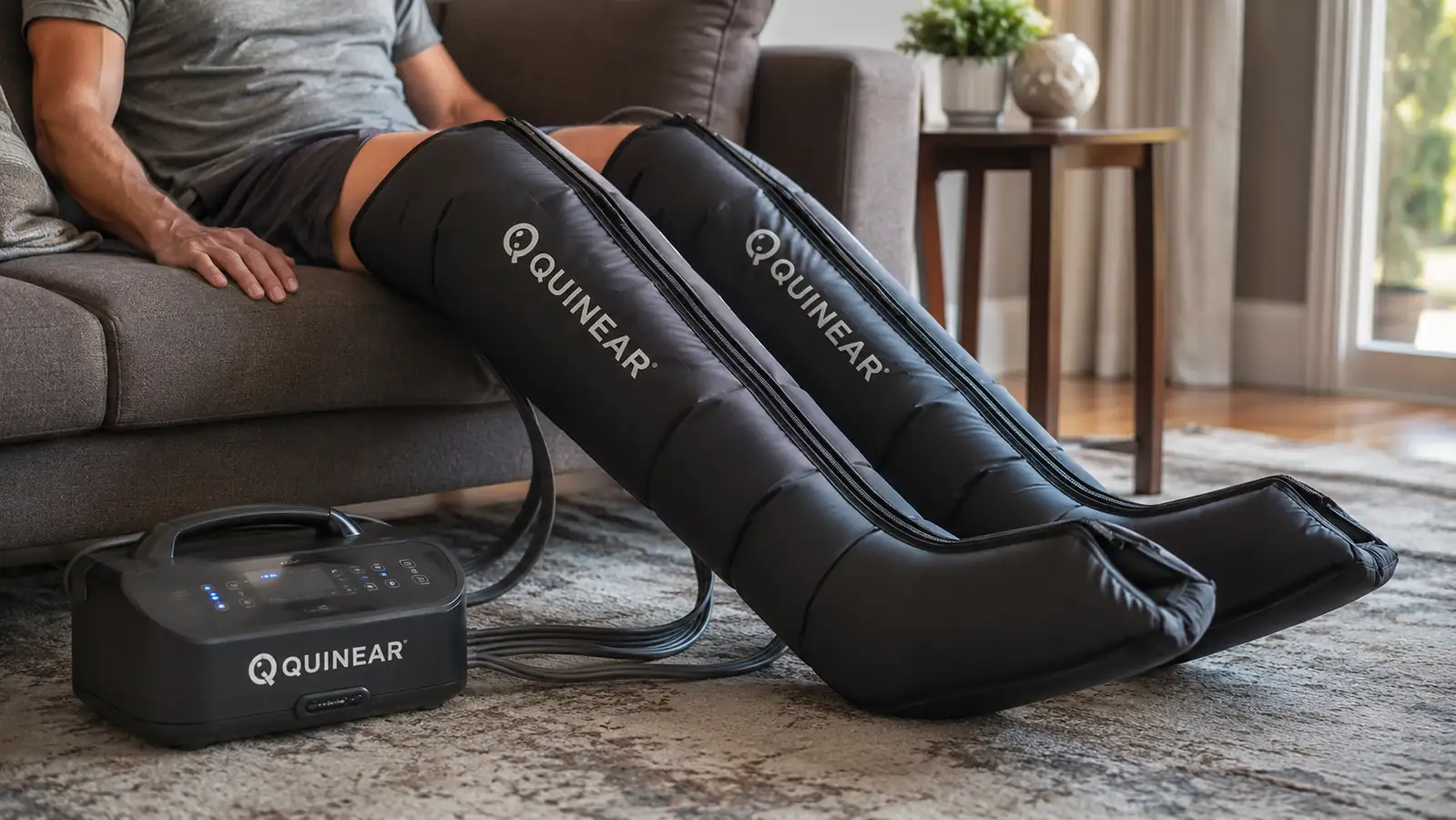
I ended up ordering the QUINEAR compression boots after reading through a stack of reviews and comparing a few options. What sold me wasn't a flashy claim, it was the sequential compression detail, the way the chambers inflate from the foot upward instead of just squeezing the whole leg at once. That matched what I remembered from physical therapy after a hamstring strain a few years back, where the therapist explained that pushing fluid upward in stages is closer to how your own muscles pump blood back toward your heart when you walk.
Heavy legs by Wednesday? Here's the recovery tool I wish I'd bought in week one.
The QUINEAR compression boots use sequential air chambers that squeeze from your feet upward, the same pattern your body uses naturally when it's working right. Check today's price and see if it fits your training block.
Amazon Check Today's Price on Amazon →The first session was almost anticlimactic. I zipped the boots on after a Saturday 16-miler, hit the button on the control unit, and sat on the couch for 25 minutes while my son asked me repeatedly why my legs looked like they were being hugged by a robot. The pressure builds in waves, ankle first, then calf, then thigh, then releases and starts again. It's not painful, more like a firm, deliberate squeeze that eases off right as it starts to feel like too much.
I didn't expect much from one session, and I was right not to. What changed my mind was the third week of using them after every long run and every other tempo session. The 2 a.m. ache stopped showing up. Not immediately, but by day nine or ten of consistent use it had quietly disappeared, the way a headache fades and you only notice because you realize you haven't thought about it in hours.
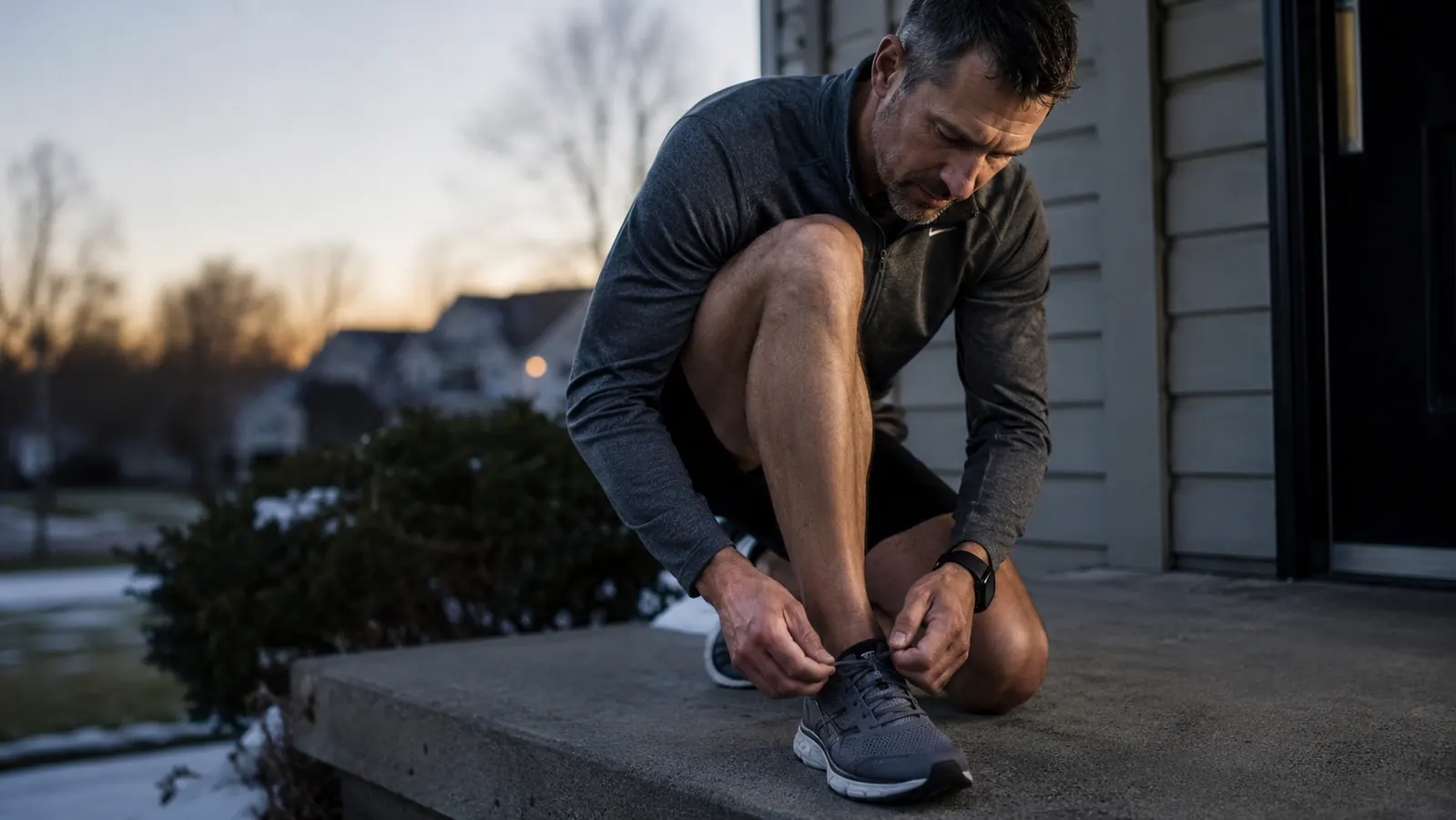
My Sunday recovery runs started feeling like actual recovery runs instead of a second workout bolted onto the first. I could tell the difference in how my calves felt stepping out of bed. Not fresh, exactly, eleven weeks of marathon training doesn't leave anyone feeling fresh, but functional. Usable. The kind of tired where you know you can still run six miles instead of the kind where you're negotiating with your own hamstrings just to walk downstairs.
I started using the boots on non-running days too, especially after long days on my feet at work. Twenty minutes while I answered emails or watched whatever game was on. It became less of a recovery tool and more of a habit, the same way some people wind down with a cup of tea. My wife started asking for a turn after her own workouts, which I hadn't planned on but wasn't surprised by either.
Marathon day came and went. I finished, not fast, but upright and without the kind of limping that had scared me back in week three. The boots didn't run the race for me. Training did that, along with a coach who adjusted my mileage twice when I flagged how my legs felt. But the boots are the reason I made it to the start line able to run at all, instead of nursing a shin that had quietly been getting worse every week.
What I'd Tell You If We Were Sitting at My Kitchen Table
If you asked me over coffee whether compression boots are worth it, I wouldn't tell you they're magic, because they're not. They didn't fix my running form or make my long runs feel shorter. What they did was give my legs a real chance to recover between hard efforts, which is the one thing I couldn't manufacture with rest alone when my schedule only allowed six or seven hours of sleep most nights. If you're logging serious mileage, standing all day for work, or just noticing your legs feel heavier than they used to by midweek, I'd tell you to try them before you assume the heaviness is just part of getting older or training harder. It might not be. For me, it wasn't.
Don't wait until your legs force the issue.
If you're already feeling that midweek heaviness creep in, today's the easiest day to change it. Check the current price on the QUINEAR compression boots and see if they fit your training week.
Amazon Check Today's Price on Amazon →